The last course of the day
A wall is finished from the bottom up, and the last course is the one that decides whether the top is level. The yard closes the same way. There is an order to the evening, and when the order is kept the next morning starts level; when it is skipped, the gate opens on a day that is already leaning.
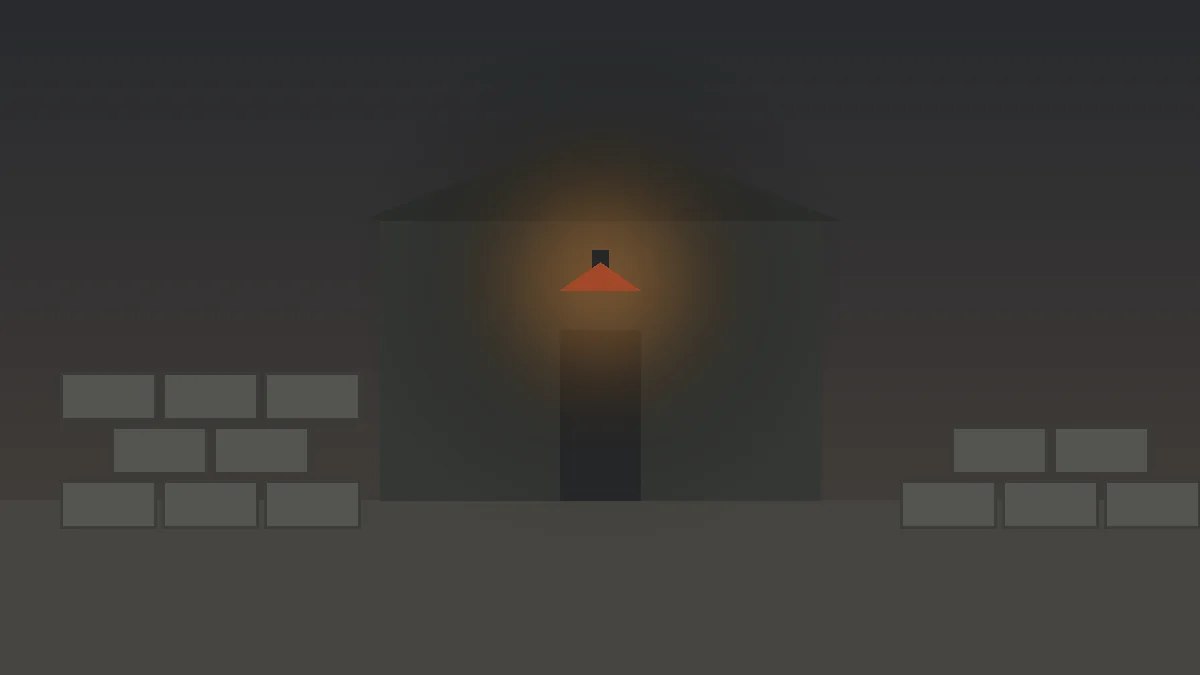
Here is the yard's closing sequence, which has not changed in years. Tools go back to their hooks, in the same places, so that nobody looks for them at six. Tomorrow's first loads are pulled to the front of the dispatch line and tagged. The mixer is hosed while the day's last batch is still soft, because an hour later it would need a chisel. The order book is closed with tomorrow's first three jobs written at the top of a clean page, and nothing else. The lamp over the shed goes off, the gate comes down, and whoever closed it drives home without the order book in his head, because it is on the page.
Why the order matters more than the hour
Readers who have tried to fix their evenings usually start with the hour, and it is the right place to start, as the previous note argued. But a man can go to bed at the proper time with the whole of tomorrow still loose in his mind, and the night will not settle. The yard's sequence works because every step takes something out of the head and puts it somewhere it will be found in the morning: on a hook, on a tag, on a page. The sleep that follows is not deeper because the clock said so; it is deeper because the load was set down before the gate closed.
The screen is the modern mixer that nobody hoses. It is left running, bright and soft, until the last minute, and the next morning it has set hard: the first thing the mind reaches for is what it was holding at eleven the night before. The men in the crew who read in the evening read paper, not because paper is virtuous but because it has an end and does not glow.
What readers borrowed from the yard
The hooks became a tray by the door for keys, wallet and glasses. The tags became three lines on a card: the first three things to do tomorrow, written before sitting down for the evening and not looked at again. The hosing of the mixer became the dishes done and the bag packed while there was still energy for it, instead of at midnight. The lamp going off became a fixed point at which bright things are switched off in the house, with the half hour after it left for a book, a conversation or nothing at all. None of them describe this as discipline. They describe it as the house being level in the morning.
The habit, taken home
Build a short closing sequence and keep the order rather than the clock: things to their hooks, tomorrow's first three jobs on a card, the one chore that would otherwise set hard overnight, and a fixed point after which the bright screens go dark. Walk away from the day the way the yard walks away from the gate: with nothing still in your hands.
The six notes end here. They are observations from a trade, offered to men whose days have started to thin out in the afternoon, and they claim nothing beyond what a yard can see. What is in the ledger, which comes next, is who writes them and why, and what the company may earn from pointing a reader toward something made by a partner.